
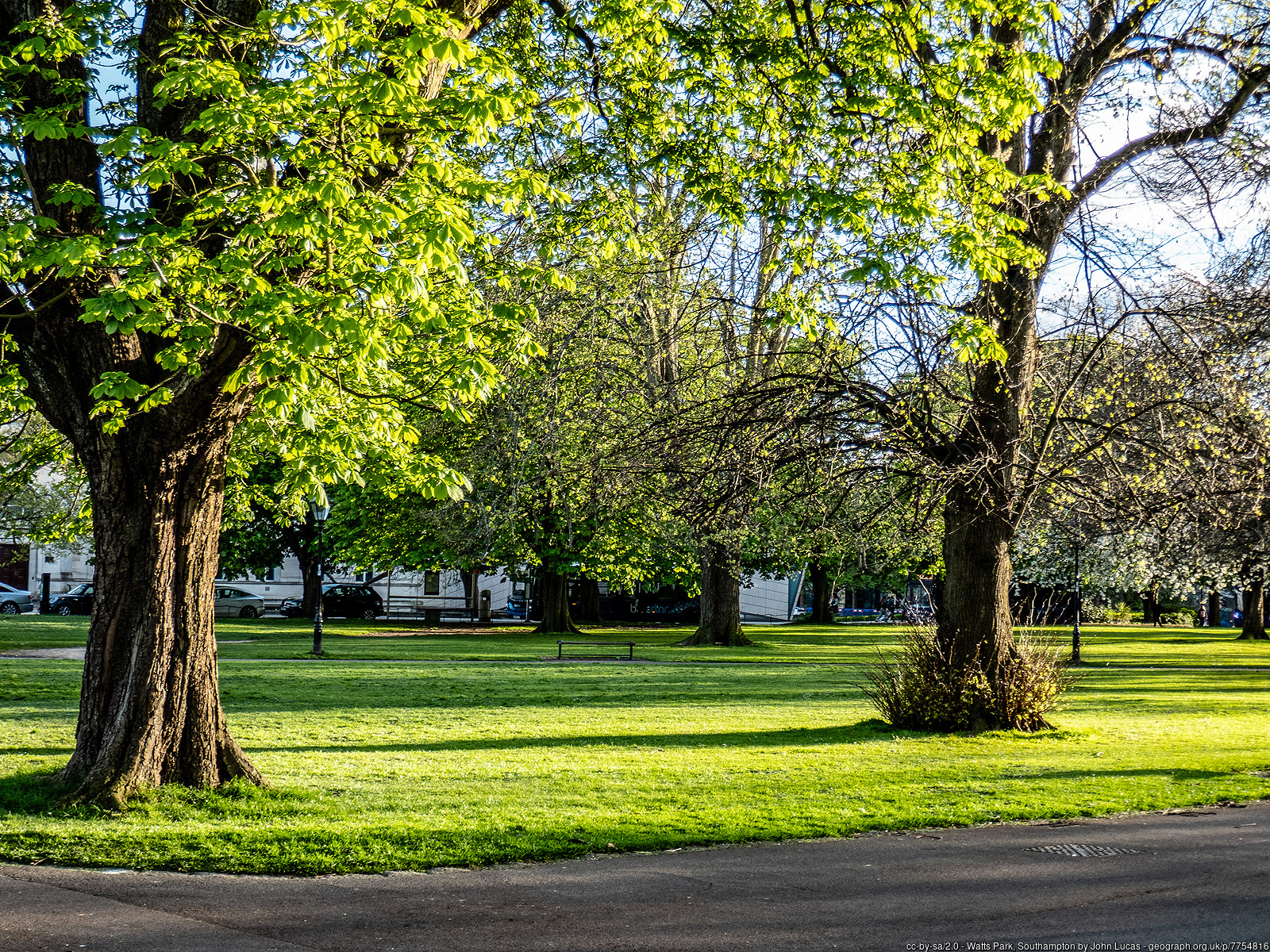
Green spaces are a primary feature of Southampton’s landscape. The city’s geography, shaped by its position between the River Test and the River Itchen, has allowed for the preservation of several large parks and commons that serve both ecological and recreational purposes.
This guide details the major parks in Southampton, focusing on their specific features, facilities, and historical contexts.
Southampton Common
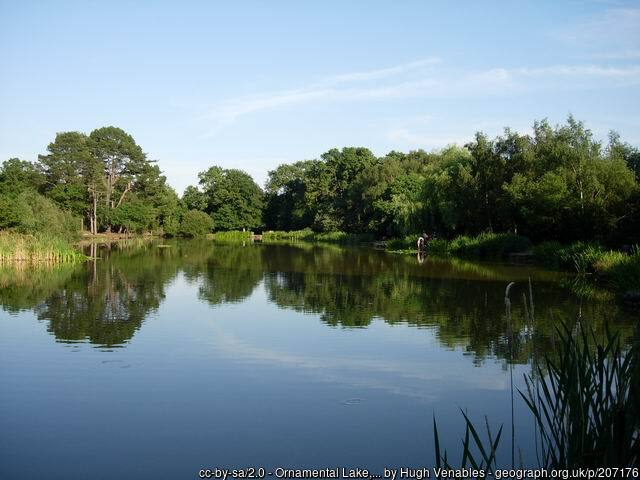
Southampton Common is the largest green space in the city, covering approximately 365 acres. Located north of the city centre, it was designated as a Site of Special Scientific Interest (SSSI) due to its diverse habitats, which include woodland, wetlands, and rough grassland.
Key Features:
- The Hawthorns Urban Wildlife Centre: Situated at the southern end, this centre provides information on local wildlife and manages the park’s conservation efforts.
- Ponds and Lakes: The Common contains several bodies of water, including the Boating Lake and the Model Yacht Pond, which support a variety of birdlife and amphibians. Sadly, the Boating lake has not had actual boats since the 1960s.
- Sports: There are dedicated paths for both pedestrians and cyclists, which are popular with runners, with a marked 5km circuit. For children, the main park has a large play area and a seasonal paddling pool. There’s usually an ice cream van in summer.
- Events: The open grassland areas, such as the Flats, frequently host large-scale events like outdoor concerts and occasional circuses. There’s also a weekly Southampton Parkrun.
Riverside Park
Spanning 80 acres along the western bank of the River Itchen from Bitterne Triangle, Riverside Park follows the river – there’s a long distance walking route from here heading out to Winchester.
There’s local shops, so you can pick up sandwiches, hot drinks or a really good pastie from Plested Pies.
Key Features:
- Water Access: The park offers several access points for the River Itchen. It is a favourite spot for fishing and kayaking.
- Miniature Railway: Operated by the Southampton Society of Model Engineers, this railway runs on selected Sunday afternoons during the summer months.
- Sports Facilities: The park contains six football pitches, a cricket square, tennis courts, and a skate park, plus a decent secure playpark that’s busy on weekends.
- Wildlife: Due to its riverside location, there swans, ducks, and occasionally kingfishers or otters.
Mayflower Park
Mayflower Park is right on the city’s waterfront, adjacent to the Red Funnel ferry terminal. It offers a direct view of the River Test and the busy shipping lanes used by cruise liners and cargo ships.
Key Features:
- Ship Watching: The park’s promenade is a popular location for viewing the arrival and departure of both passenger and cargo ships, including the Queen Mary 2.
- Play: There’s a children’s play area and a multi-use court for basketball and football.
- Southampton Boat Show: Every September, the park serves as the land-based hub for the Southampton International Boat Show.
Royal Victoria Country Park
Located on the eastern edge of the city in Netley, this 200-acre park was formerly the site of the Royal Victoria Military Hospital. While much of the hospital was demolished in the 1960s, there’s a small museum and well-maintained grounds. You will find several mature Cedar of Lebanon trees dating back to the Victorian era.
Key Features:
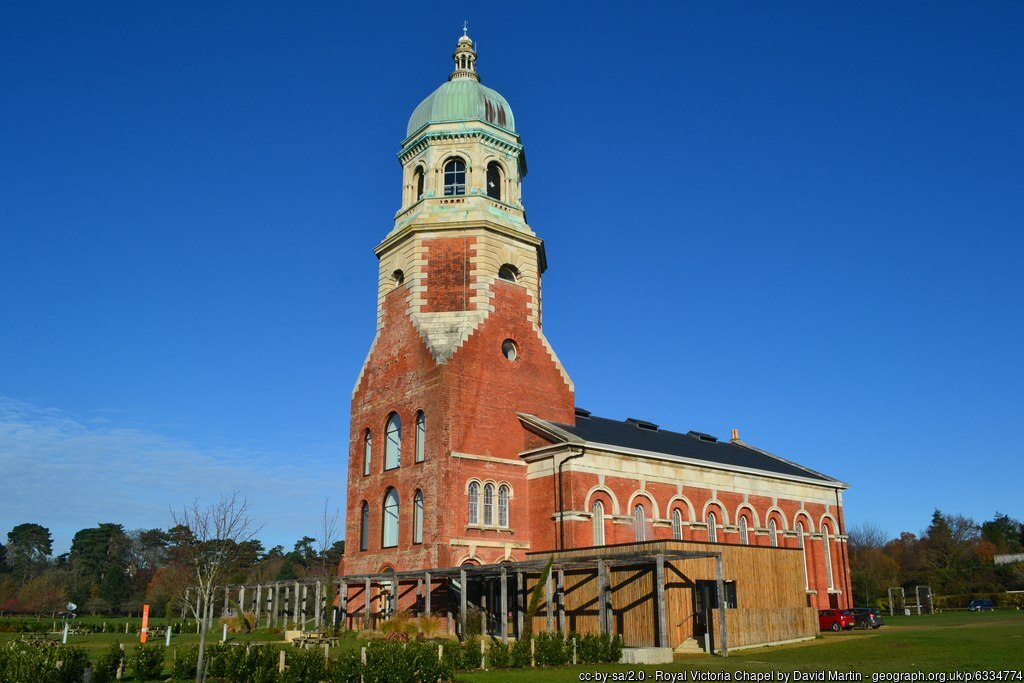
- The Chapel: The only remaining part of the original hospital building, the chapel now serves as a heritage centre. Visitors can climb the tower for views of Southampton Water.
- Beach: The park includes a stretch of narrow shingle beach along the Solent. It’s good for ship spotting, if you are into that sort of thing.
- Café and Miniature Railway: A one-mile narrow-gauge railway runs through the park’s woodland and past the chapel. It start at decent café and a big playpark
- Activities: There’s a Go Ape Adventure Park in the grounds, a number of well-marked trails, a permanent orienteering course and there are also regular events in summer.
St. James’ Park
Located in the Shirley, St. James’ Park is a smaller, enclosed community park. It is noted for its “sunken” topography, which is a result of its former use as a gravel pit.
Key Features:
- Park Café: A little café managed by the Friends of St. James’ Park.
- Facilities: It includes a modern play area. Unlike most parks the whole place is fenced in, so it’s safer for children and dogs.
The Central Parks (East, West, Houndwell, Palmerston, and Hoglands)
Southampton’s city centre is defined by a series of five connected parks, collectively known as the Central Parks. These Grade II listed landscapes were established in the mid-19th century.
Key Features:
- Titanic Engineers’ Memorial: Located in East Park (Andrews Park), this is a prominent bronze and granite memorial to the crew of the RMS Titanic.
- Statues: The parks contain several historical statues, including those of Isaac Watts and Lord Palmerston. Also look for the modernist sculpture opposite the Guildhall.
- Floral Displays: The parks are known for their seasonal flower beds and the Queen’s Peace Garden.
- Hoglands Park: This park is regularly used for sports, featuring large open fields often used for cricket and local festivals.
Manor Farm and River Hamble Country Park
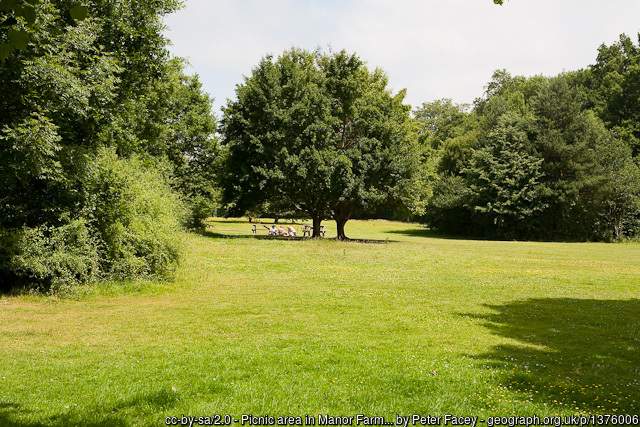
Situated on the banks of the River Hamble, this park has ancient woodland and a historic working farm. It a more rural experience compared to the city-centre parks.
Key Features:
- Manor Farm: A Victorian-era farm where visitors can see traditional farming methods and livestock, meet animals and generally get in touch with their inner farmer. Popular with kids.
- Woodland Trails: The extensive paths through Botley Wood offer opportunities for hiking and birdwatching.
- Pontoon Access: The park provides access to the river for crabbing and launching small watercraft.
Peartree Green Nature Reserve
Peartree Green is a open space located on a ridge overlooking the River Itchen in the Woolston area of Southampton. Unlike the manicured lawns of the Central Parks, Peartree Green has been largely left wild, although there are maintained paths. It has a rugged, semi-natural landscape, unexpected in an otherwise urban area.
Key Features:
- Flora and Fauna: The acid grassland supports specific plant species such as sheep’s sorrel and subterranean clover. The scrub areas provide nesting sites for songbirds and habitats for slow-worms and common lizards.
- Dog Walkers: The park is largely unstructured, offering open space and lots of winding, natural paths. It’s popular with dogs.