Southampton is often described as a “patchwork city.” Because of its long maritime history and rapid expansion, it isn’t just one big urban sprawl; it’s a collection of distinct villages and towns that have grown together over centuries.
Whether you’re a student moving to the city for the duration of your course or planning a long-term move for work, here’s our breakdown of Southampton’s named areas and its “attached” neighbours.
The Inner City: Where the Action Is
City Centre & Cultural Quarter
This is the heartbeat of Southampton. It’s dominated by the massive Westquay Shopping Centre and the Cultural Quarter around Guildhall Square. There’s a surprising amount of accommodation scattered around the city centre, mostly student accommodation, high rise building and spaces above commercial properties.
- Main Features: The Mayflower Theatre, City Art Gallery, Ikea, the SeaCity Museum and a huge collection of shopping, cafes, bars and restaurants. It’s perfect for those who want everything on their doorstep.
The Old Town
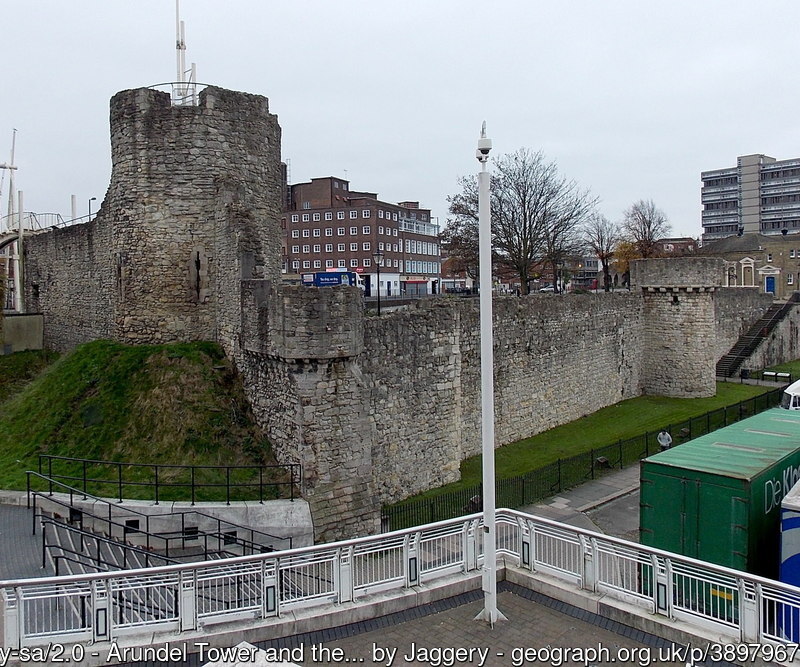
Tucked away behind the Bargate and the medieval walls, this is the most historic pocket of the city. You’ll find a handful of homes here, some hundreds of years old.
- Main Features: Cobbled streets, the Tudor House and Garden, and “The Walls” walk. It’s atmospheric and home to some of the city’s oldest pubs, like the Duke of Wellington.
Ocean Village
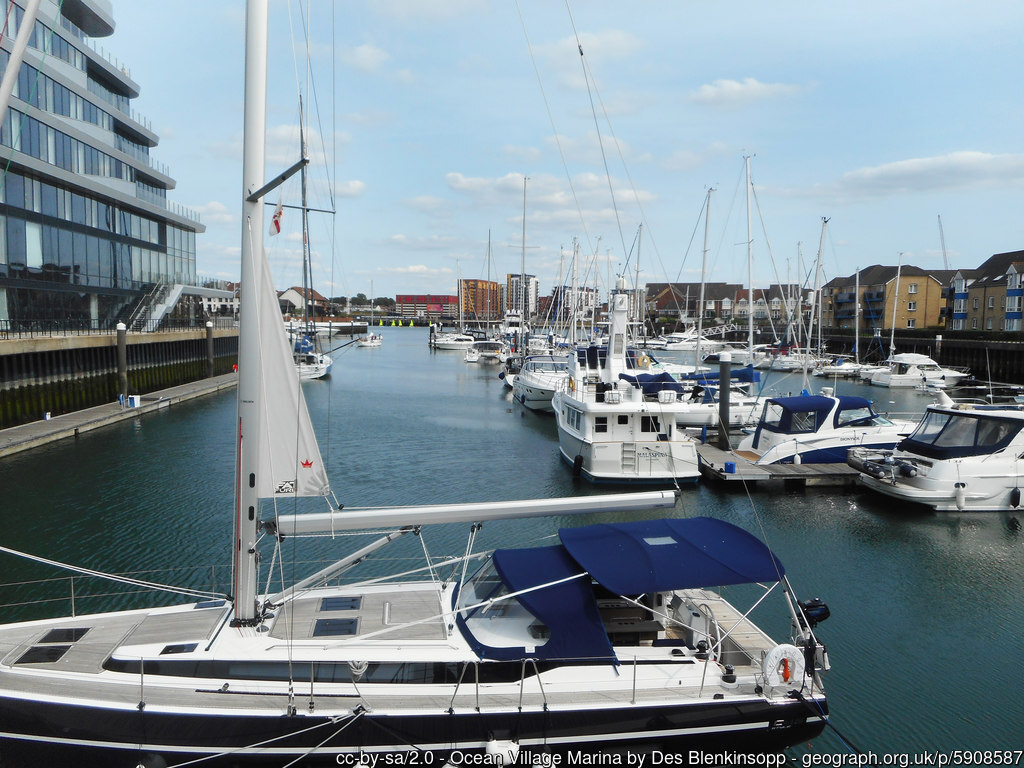
The “glamour” spot. This is a modern marina development full of luxury apartments and glass-fronted office blocks. I don’t know why they called it “Ocean Village” when it’s mostly high-rise buildings, but I think the name is stuck now.
- Main Features: The indie Harbour Lights cinema (more personal than the other big chains, and does cocktails!), the five-star Southampton Harbour Hotel, and plenty of yachts to admire while you have a glass of wine by the water.
Oxford Street
Technically part of the city centre a bit of a walk away, and with a vibe all its own. It’s the city’s premier “foodie” street.
- Main Features: Grade II listed buildings housing upscale bars, independent restaurants, and a distinct “European” feel with plenty of outdoor seating. There’s also the Genting Casino.
(Mostly) Residential Areas
Portswood
The undisputed student capital of Southampton. Located between the Highfield Campus and the city, it’s vibrant, messy, and full of character.
- Main Features: Countless charity shops, international supermarkets, and legendary music venues like The Joiners and The Brook. It’s the best place in the city for authentic curry – try Kohinoor of Kerala, but you will probably have to book on weekends.
The Polygon
Located just north of the city centre, this is a dense residential area popular with young professionals and students.
- Main Features: Bedford Place, which is packed with independent shops and some of the city’s most popular late-night bars and clubs. There’s also parking here, which is easily accessible from the east of the city, making it useful for shopping trips
Highfield
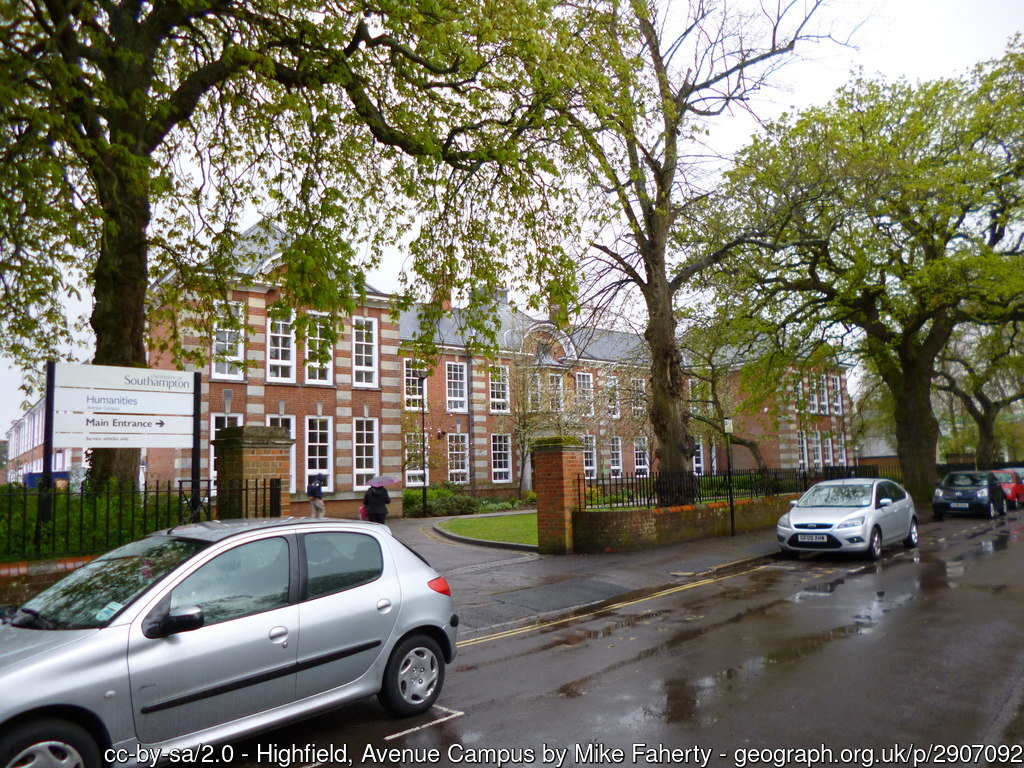
The “leafy” academic district. It’s more affluent than Portswood and home to the main University of Southampton campus. You’ll find high-end student accommodation and expensive family homes.
- Main Features: Beautiful period houses and the massive Southampton Common, a 300-acre green space that is the city’s “lungs.”
Suburban Districts
Shirley & Freemantle
A massive, bustling residential area to the west of the city. Shirley High Street is often busier than the city centre itself. Freemantle is the cheaper end, with the advantage o being an easy walk into the city centre or to the Southampton Central Railway station. Upper Shirley is mostly larger family homes, and has the General Hospital.
- Main Features: A huge variety of local shops and restaurants, a traditional market, and a real “community” feel. Lots of cheaper accommodation to both buy and rent.
Bitterne, Bitterne Triangle & Bitterne Park
Located across the River Itchen, Bitterne is a hilltop suburb with its own pedestrianized shopping precinct. Bitterne Triangle has a small collection of shops too, and with a couple of new micro bars is developing into a bit of a nightlife spot for those who prefer to avoid the city centre.
- Main Features: Riverside Park, which follows the Itchen and is perfect for kayaking or a Sunday walk. It’s very popular with families.
Woolston
Sitting on the eastern bank of the Itchen, Woolston has a gritty, industrial history as a former shipbuilding hub. There’s some new development high-rise housing built as part of an urban renewal program, and lots of older properties.
- Main Features: The Itchen Bridge (the iconic toll bridge). It makes a pleasant walk on a nice day, although there is a lot of traffic. You can also walk from here out along the shoreline towards Netley.
Maybush
If you’re looking for the glitz of Ocean Village or the student buzz of Portswood, you might skip right over Maybush. But for the locals, that’s exactly why they like it. Tucked away in the western part of the city, Maybush is a predominantly residential suburb that serves as a solid, dependable anchor for families and professionals alike.
It’s not a destination, but it’s got a lot of houses and a handful of local amenities.
Bassett
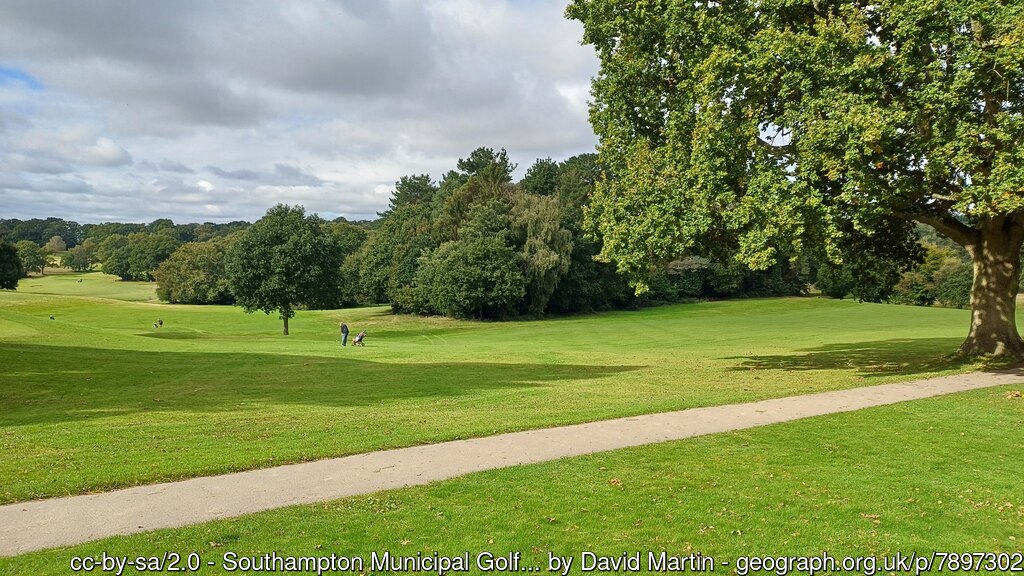
If Southampton had a “greenest” residential crown, Bassett would likely wear it. Located at the northern tip of the city, this is one of Southampton’s most affluent neighbourhoods. It easily accessed from the M3 or M27, making it a great for commuters to Winchester, Guildford or London.
The area is defined by tree-lined avenues and substantial detached houses. Southampton Common is over over 300 acres of woods and park, and you can use it to get nearly to the city centre avoiding the traffic, by both cycle and foot. You’ll also find Southampton City Golf Course and the Southampton Outdoor Sports Centre which has one of the handful of dry ski slopes in the area – at thge time of writing it’s currently being rebuilt, so check the link.
Midanbury, Harefield and Thornhill
Sitting on the eastern side of the city, Midanbury, Harefield, and Thornhill form a trio of suburban residential hubs built on hills with views over the Itchen Valley.
Midanbury is a quiet, hilly enclave characterized by semi-detached homes. To the east lies Harefield, a leafy pocket bordering the countryside, perfect for those wanting a slower pace. Finally, Thornhill is as a large development with a mix of social and private housing. These areas offer easy access to the M27 and the retail parks of Hedge End, making them a popular choice for those working outside the city centre.
The “Attached” Towns
Southampton is so well-connected that several nearby towns are effectively part of its orbit.
Totton and Calmore
Known as the “Gateway to the New Forest,” Totton sits just across the River Test to the west of Southampton.
- Main Features: Eling Tide Mill (one of the only working tide mills in the world) and direct access to the New Forest. It has a quieter, small-town feel and some decent local shopping despite being minutes from the city.
Romsey
A stunning market town about 8 miles northwest of the city. While it’s technically its own entity, many people live in Romsey and work in Southampton.
- Main Features: The magnificent Romsey Abbey and Broadlands (the former home of Lord Mountbatten). It’s upscale, historic, and very picturesque.
Eastleigh (plus Chandlers Ford and Bishopstoke)
Located to the north, Eastleigh is a railway town that has grown significantly. It’s home to Southampton Airport and the Spitfire’s first flight location.
- Main Features: The Swan Centre for shopping (it’s OK, but many people prefer to head into Southampton) and the Lakeside Country Park. It offers great transport links for commuters heading to London or Winchester by road or Eastleigh Railway Station. It sits right next to Southampton Airport which has mostly shorter distance flights around Europe.
Top Tip: If you are talking the train into London, consider going via Eastleigh. It’s generally faster to drive to, and cuts a few minutes off the journey time too.
Netley: Maritime Charm and Victorian History
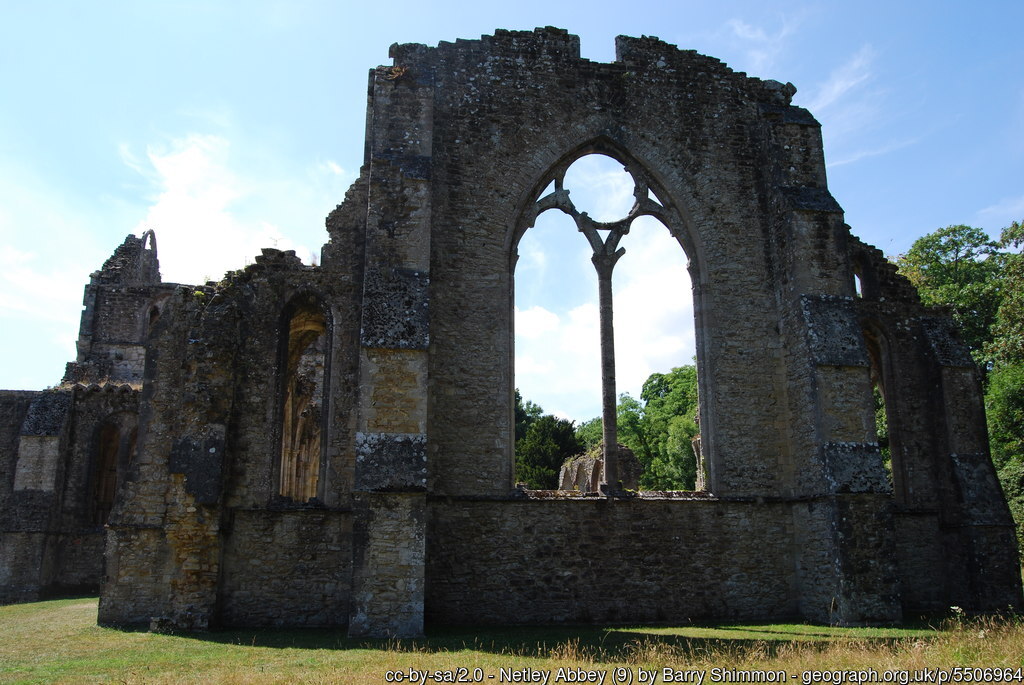
Located just southeast of the city, Netley (or Netley Abbey) is a picturesque waterside village with old pubs and a gravelly beach. It is most famous for two things: the stunning 13th-century ruins of Netley Abbey, which inspired poets like Jane Austen and Wordsworth, and the vast Royal Victoria Country Park. The park, once the site of a massive military hospital, offers regular events, sprawling lawns and walks through woodlands and along the Southampton Water. With its colourful terraced cottages, independent cafes, and views of passing cruise ships, Netley is a favourite for a short trips out.
Hedge End
To the east of the city, Hedge End has evolved from a small strawberry-growing village into a thriving, modern town. It is best known as a shopping destination, home to massive retail parks featuring flagship stores like M&S and Sainsbury’s. It’s also a popular residential area for families, thanks to its top-rated schools and decent local facilities. It sits on the other side of the M27 Junction 7 from Southampton, but can be a pain to get in an out at peak hours.